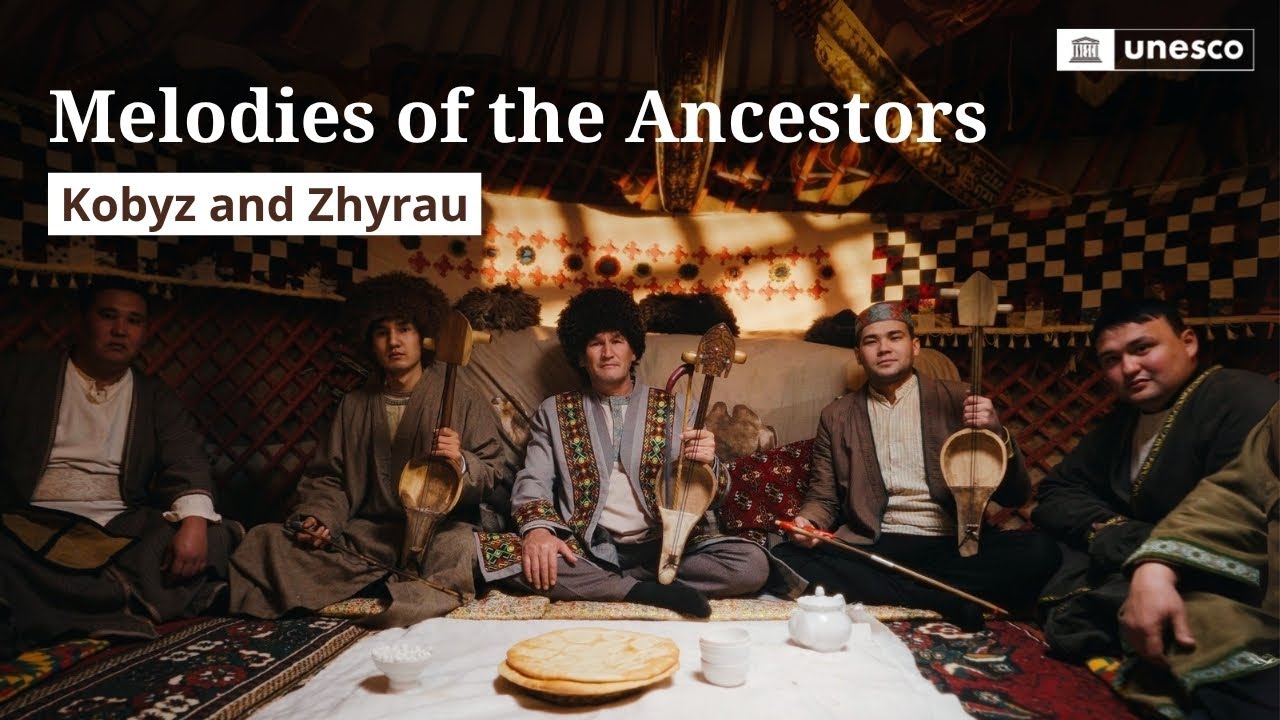
 The kobyz is one of the oldest bowed two-stringed musical instruments and an important element of the cultural heritage of Turkic peoples. Its sound has accompanied rituals, ceremonies, and celebrations for centuries, preserving the connection between generations and passing down cultural traditions. According to scholars, the emergence of the kobyz dates back to the 5th to 8th centuries AD.
 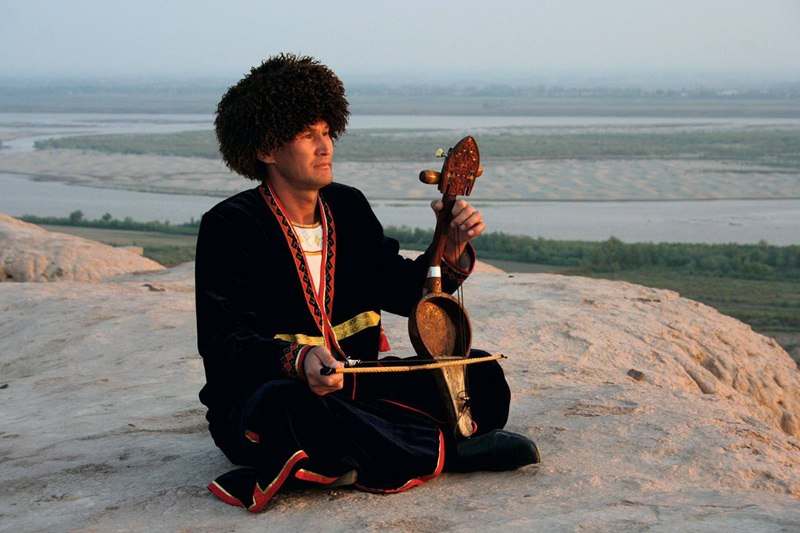 This instrument is known for its deep, meditative sound, which is created by its unique construction. The body of the kobyz is made from solid wood, typically mulberry or apricot wood.
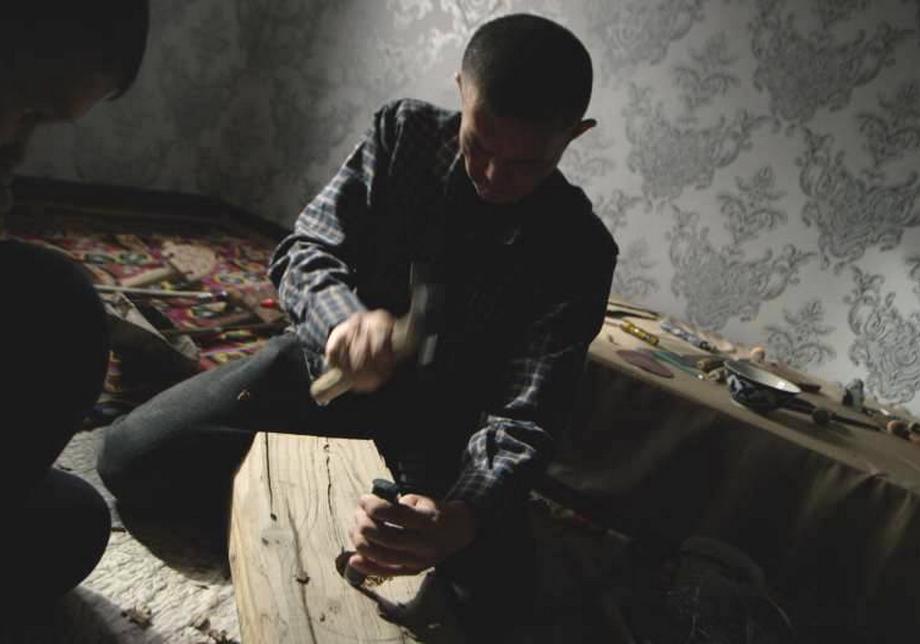
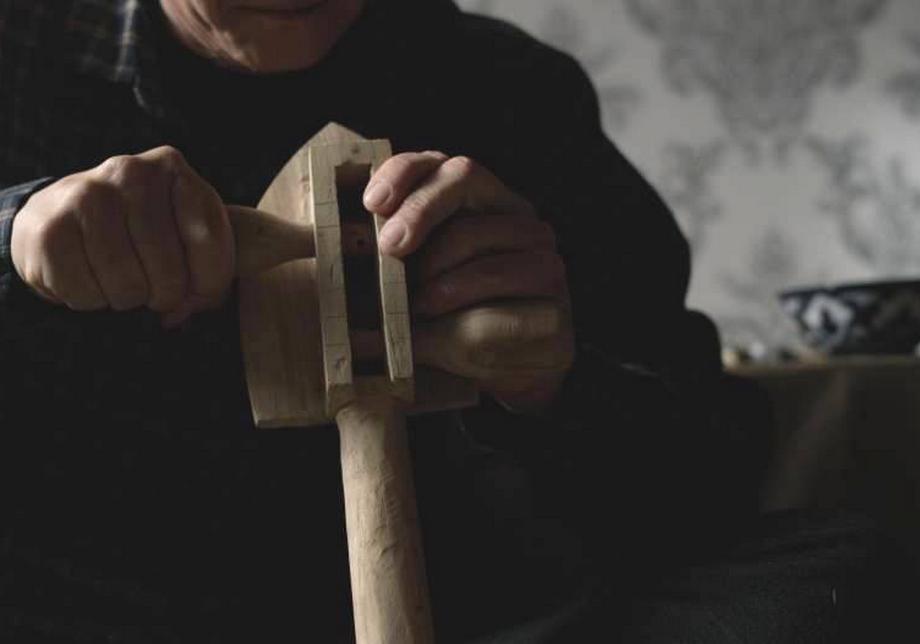 The bowl-shaped wooden body, curved neck, camel skin membrane, and two strings made from horsehair give the kobyz a resonant sound rich in overtones, deeply rooted in shamanic traditions. To play the kobyz, a special bow is used, also crafted with horsehair.
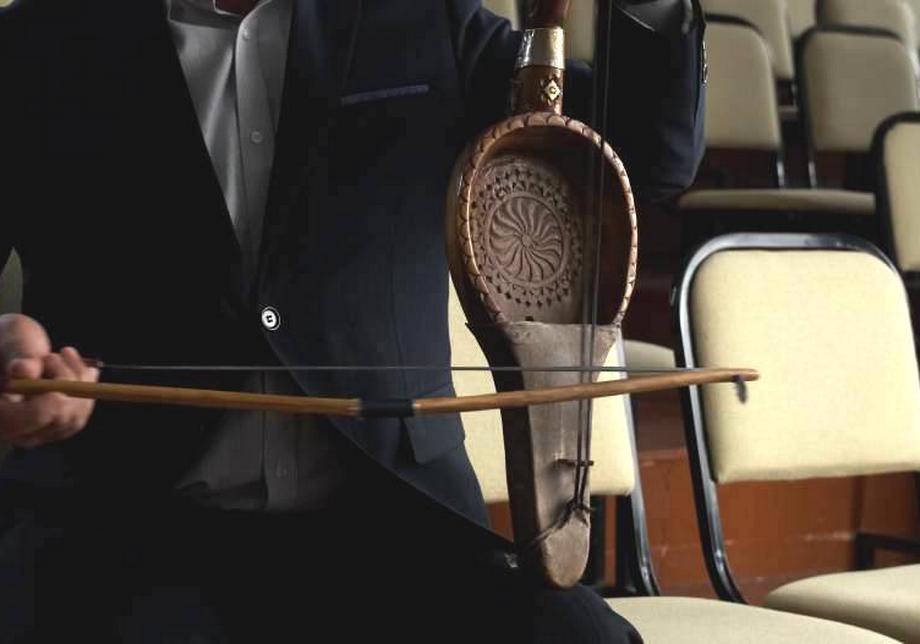 The design of the musical instrument allows for easy portability, reflecting its connection to the nomadic lifestyle of the Turkic peoples. This adaptability has ensured that the kobyz remains an integral part of cultural expression, even as lifestyles have evolved over the centuries.
Today, the tradition of playing the kobyz in Karakalpakstan is primarily preserved thanks to the poets and storytellers known as "zhirau," who narrate historical tales and perform epic poems (dastans) accompanied by the kobyz. This unique art form combines music, poetry, and history, creating a rich cultural tapestry.
The kobyz is predominantly played by men who deliver these epic narratives using a distinctive style of throat singing. Such musical heritage not only preserves cultural traditions but also plays a crucial role in shaping the identity of the people. However, there is a pressing need for support and development of this tradition to ensure its transmission to future generations.
Cultural heritage is under serious threat due to the declining number of skilled masters, a lack of awareness among the younger generation, and difficulties in transmitting the skills necessary for both crafting the kobyz and performing throat singing.
UNESCO has included the art of crafting and performing on the kobyz in the Representative List of the Intangible Cultural Heritage of Humanity that requires urgent safeguarding. This decision was made on December 10, 2025, during the 20th session of the UNESCO Committee for the Safeguarding of the Intangible Cultural Heritage in New Delhi.

 In the era of globalization and cultural exchange, the careful preservation of unique national cultural identities becomes increasingly important. Supporting oral folk traditions and inspiring new performers play a crucial role in this process. Preserving the richness of cultural heritage is especially relevant for the youth in our rapidly changing world. In this context, young people emerge as carriers of values that connect the past with the future, creating a strong bridge between traditions and modernity.