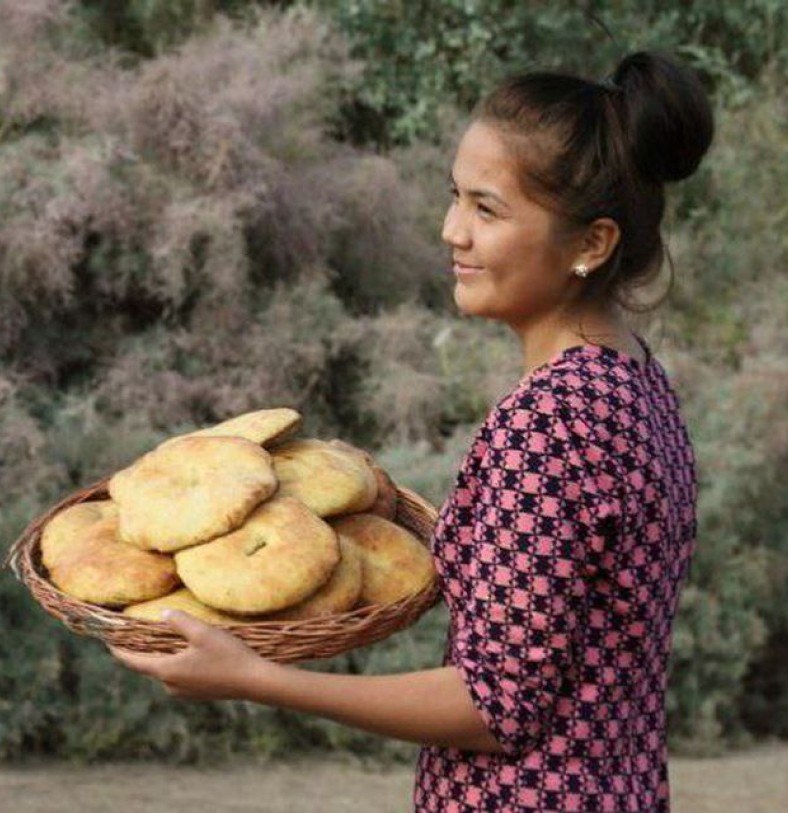
The traditional Karakalpak bread "Chimbai zagara-non" has been officially registered as a geographical indication, making it a gastronomic symbol of Karakalpakstan. This significant decision not only confirms the uniqueness and authenticity of this product but also provides it with legal protection, thereby strengthening the culinary brand of the region.
This refers to a distinctive product that is closely tied to the history and culture of Karakalpakstan. As evidenced by written and archaeological sources, the local population has engaged in agriculture since ancient times, with grains such as wheat, millet, barley, and rice forming the basis of their diet. The grain was ground by hand, and from the flour, traditional bread and flour dishes were prepared.
The uniqueness of "zagara-non" lies in its distinctive composition and preparation method. Historically, this bread was made from a mixture of millet, wheat, and barley flour, with the addition of carrots or pumpkin to enhance its flavor. Today, this tradition continues, and in the Chimbai district, barley is grown on an industrial scale, making this bread a true hallmark of the local cuisine. The main ingredients of "zagara-non" remain flour from barley and wheat, along with vegetable additives, salt, oil, and water. This combination, along with traditional preparation methods, makes "zagara-non" not only a delicious but also a nutritious product that reflects the rich culinary heritage of the region.
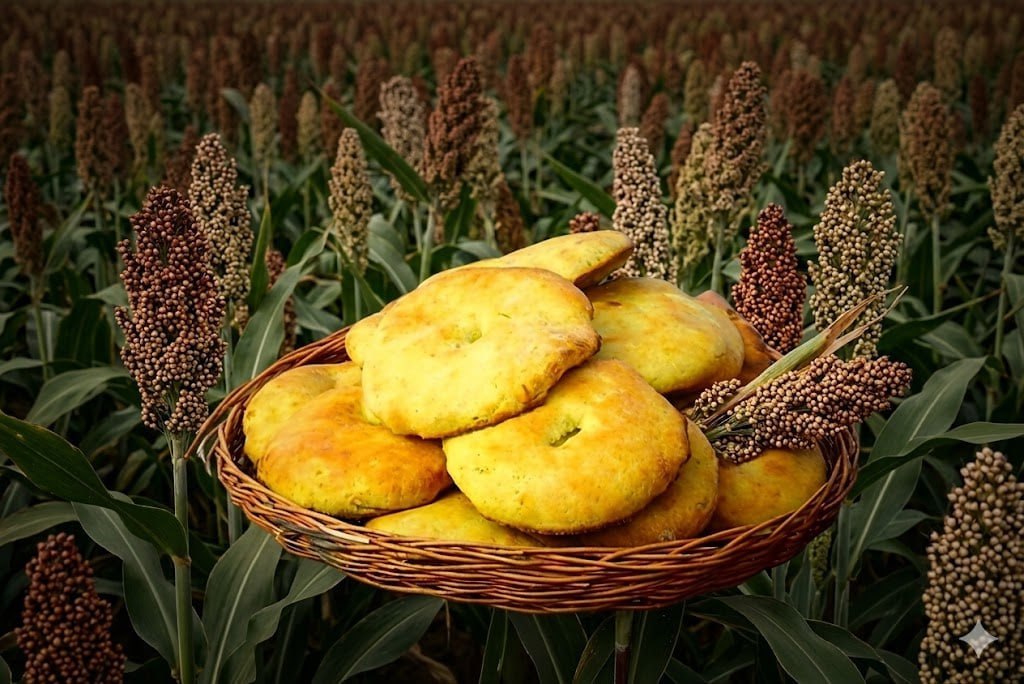
The granting of geographical indication status to "zagara-non" symbolizes an important step in protecting the uniqueness of this product. Now, the name and the technology of its preparation are legally protected as objects of intellectual property, which confirms the inseparable connection between this bread and its native region, as well as its distinctive qualities shaped by natural and cultural factors. This status will help preserve the authenticity of "zagara-non", establish unified quality standards, and significantly enhance the recognition of Karakalpak cuisine both within the country and beyond its borders.
Each "zagara-non" flatbread embodies not only unique taste qualities but also centuries-old traditions passed down from generation to generation. It is not just bread; it is a symbol of the heritage of the Karakalpak people, an integral part of their cuisine and culture. This bread reflects the deep connection between the community and its culinary practices, serving as a testament to the values, history, and identity of the Karakalpak nation.