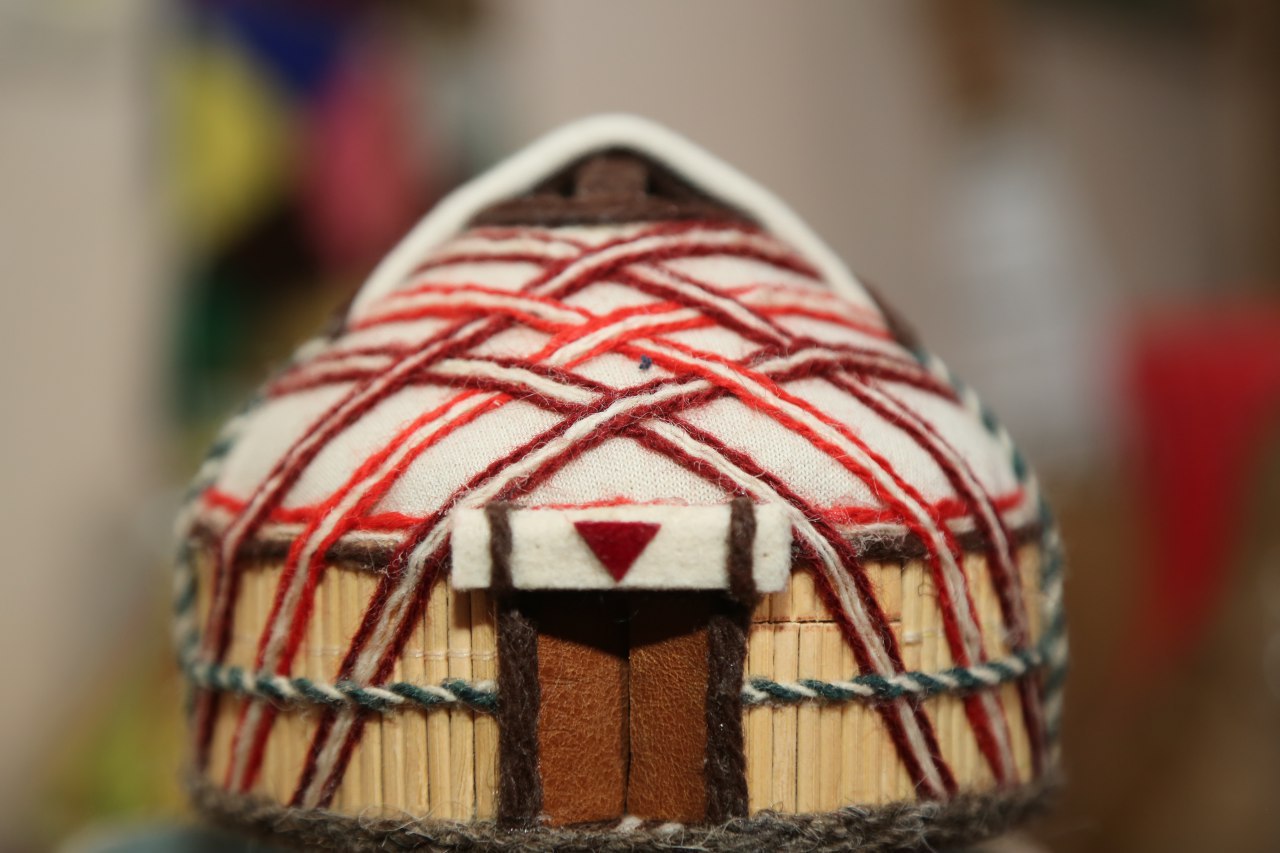
 Karakalpakstan boasts a unique and rich cultural heritage, represented by ancient archaeological and architectural monuments, distinctive oral folk traditions, performing arts, rituals and customs, as well as traditional crafts.
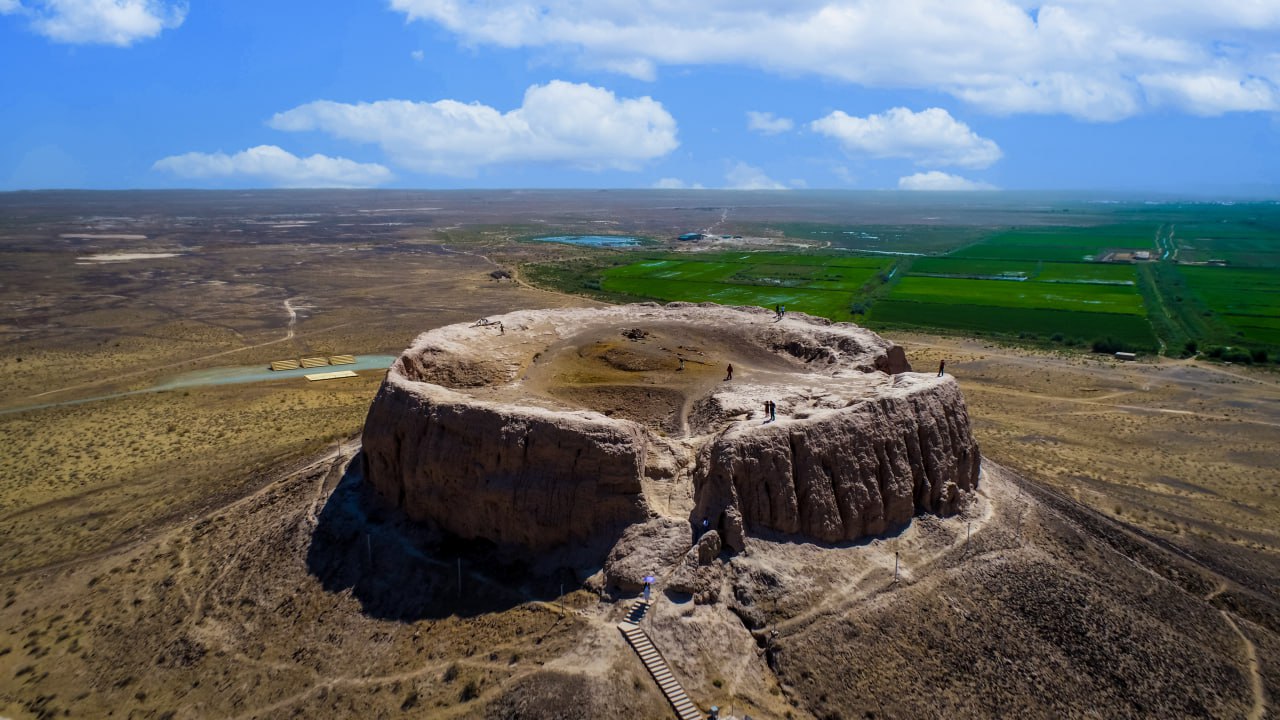
On the territory of Karakalpakstan, there are numerous archaeological and architectural monuments, primarily represented by defensive structures, including a series of impressive fortresses along the borders of inhabited lands.
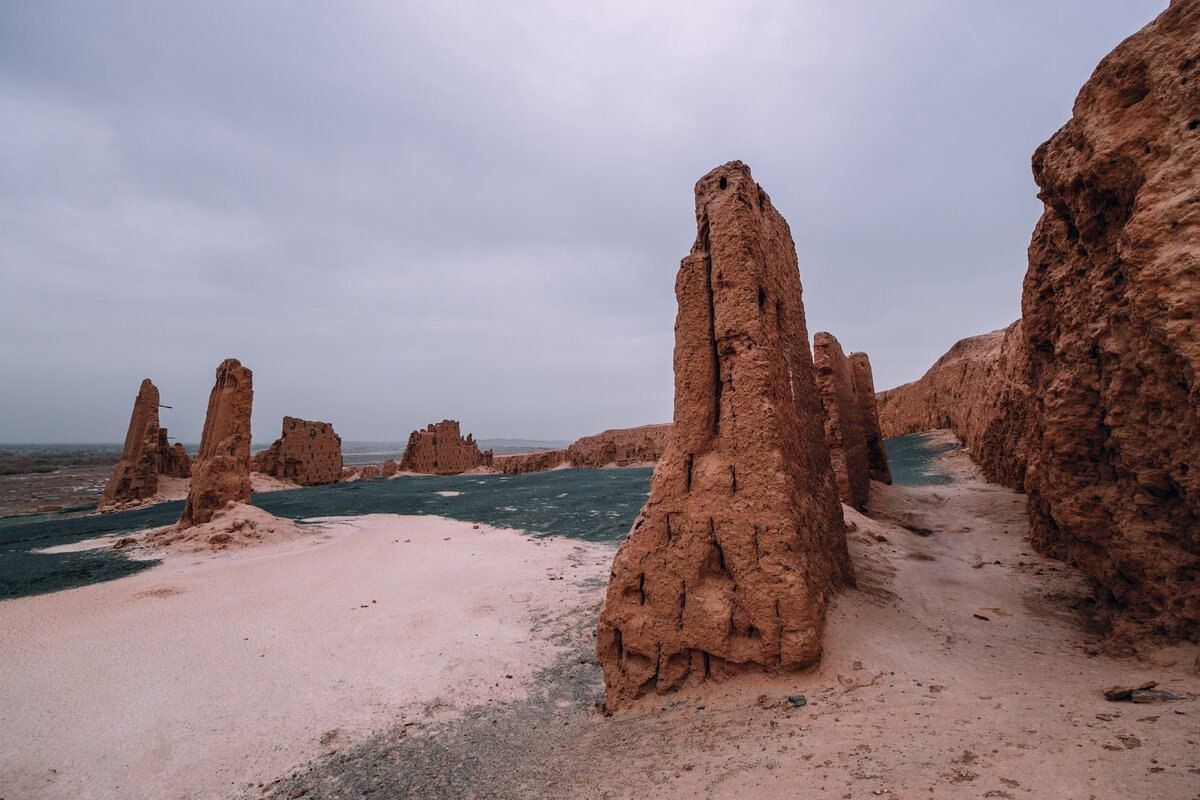 Most of the earliest of this date back to the 4th century BC, marking the period when Ancient Khorezm emerged from the Achaemenid Empire.
By the beginning of the 1st century AD, Ancient Khorezm came under the influence of the culture that was expanding within the Kushan Empire, which was most vividly reflected in the construction of the magnificent fortress and settlement of Toprak-Kala. During this period, new building models emerged, including smaller fortresses within inhabited areas.
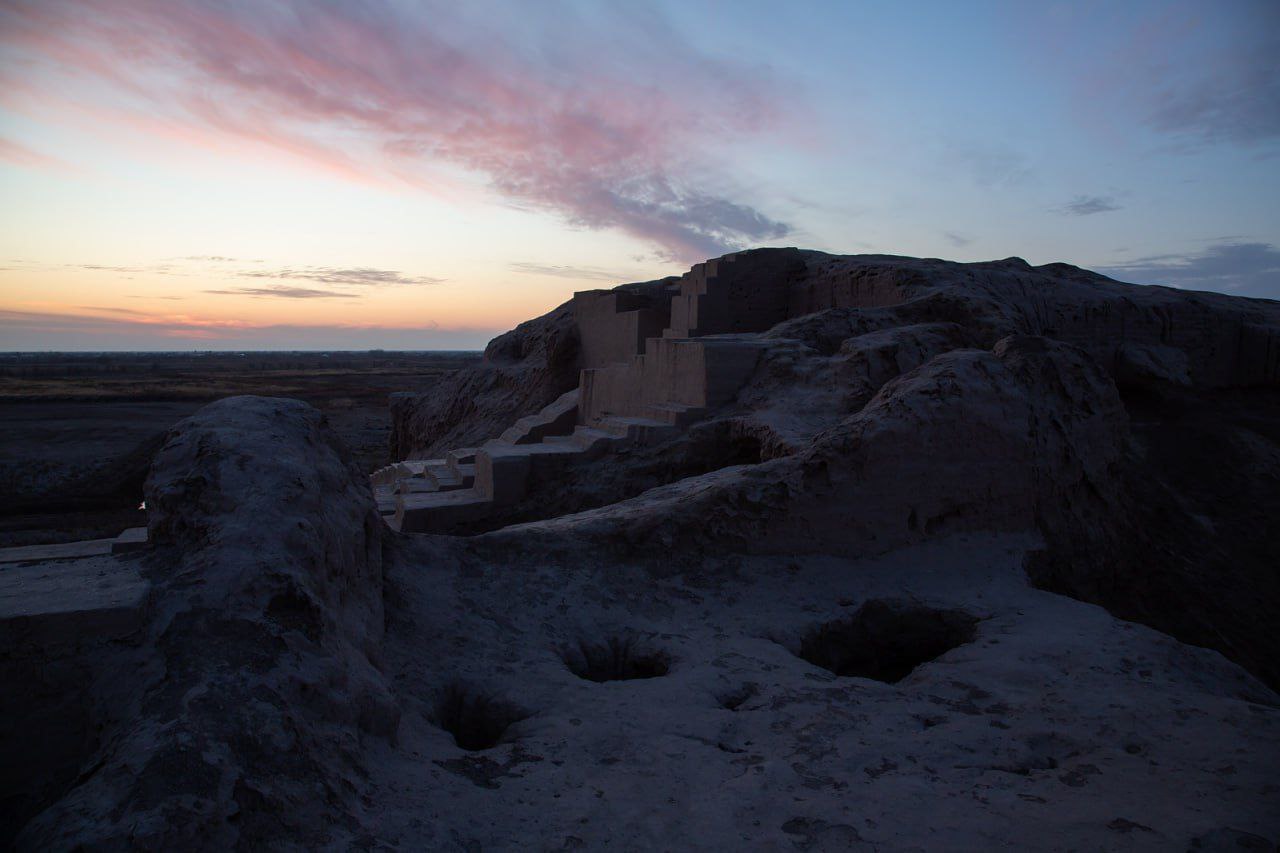 Ancient Khorezm is also the birthplace of Zoroastrianism,
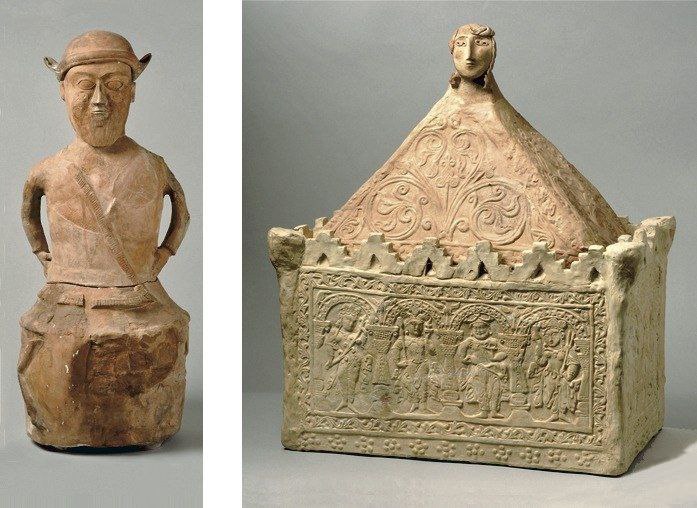
 as evidenced by numerous preserved archaeological monuments, including dakhmas (towers of silence), fire temples, and necropolises with ossuaries.
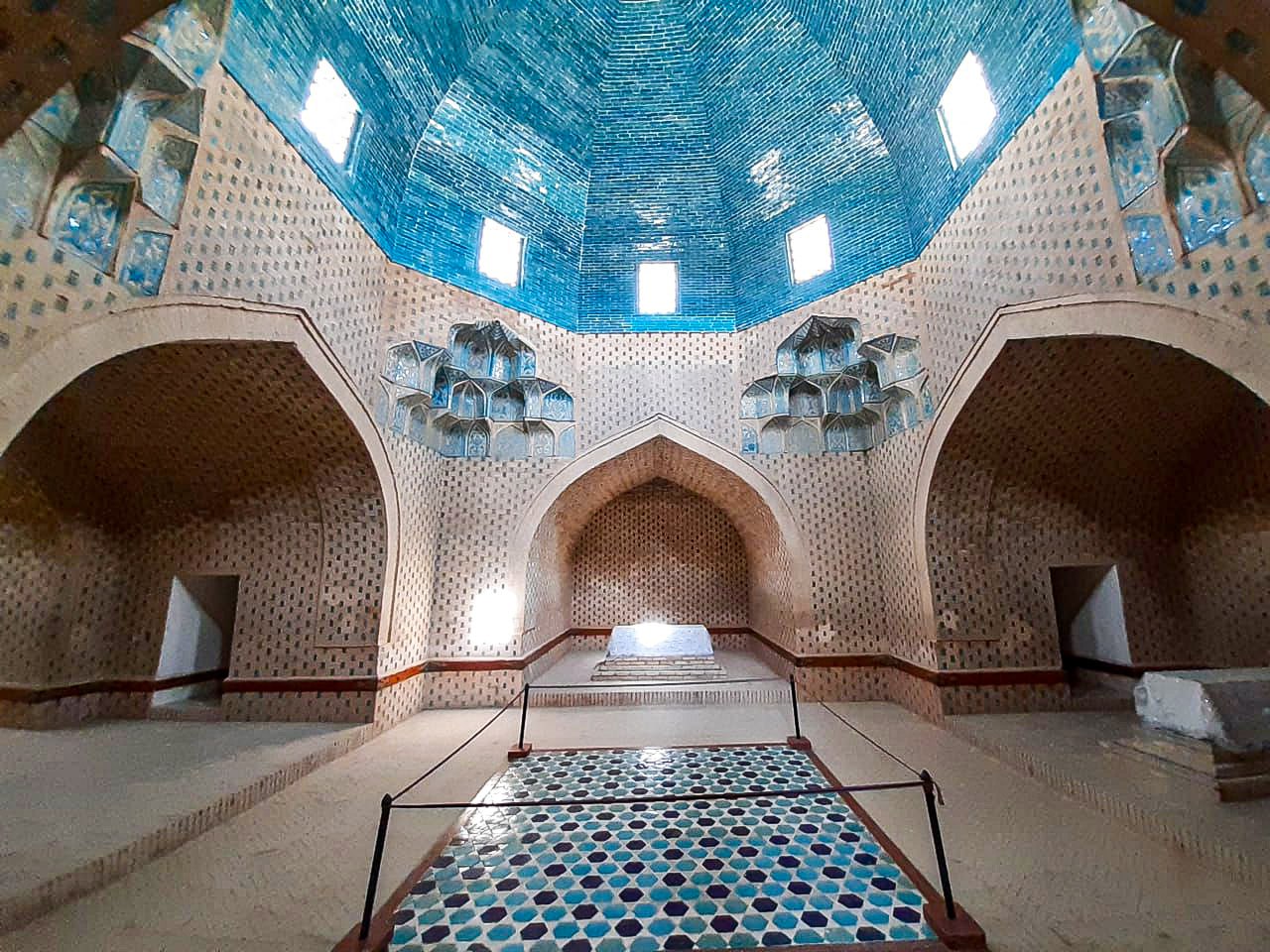
 With the advent of Islam in the 8th century AD, not only did the way of life and religion change, but architecture did as well. Burnt brick became a prominent building material, leading to the construction of intricate mausoleums, mosques, and khanqahs with domes adorned with exquisite examples of architectural decoration and epigraphic inscriptions.
 For millennia, the Aral Sea region has been at the crossroads of cultures, with the Great Silk Road traversing the Ustyurt Plateau. This ancient trade route played a significant role in the development of cultural and economic connections among the peoples of Europe, the Caucasus, the Near East, Central Asia, and China. One branch of the Silk Road crossed the Lower Volga, the Aral Sea region, and then through Southern Kazakhstan, reaching the Altai Mountains and Eastern Turkestan, where it connected with the main route of the Great Silk Road.
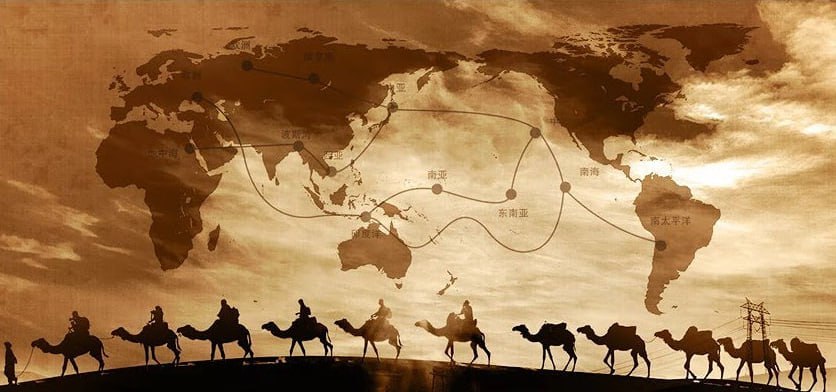 Another offshoot of this road ran from Northern Aral through Khorezm into Sogdiana and further south. As a result, numerous historical and architectural monuments associated with the history of the Great Silk Road can be found across the territory, from the oases of the Fergana Valley to the desert shores of the Aral Sea.
The uniqueness of the Karakalpaks is vividly expressed in their folklore, dances, music, and rituals, which remain an integral part of their cultural life to this day. Musicians and singers known as zhyrau and baksy play a crucial role in the preservation and transmission of oral folk traditions.
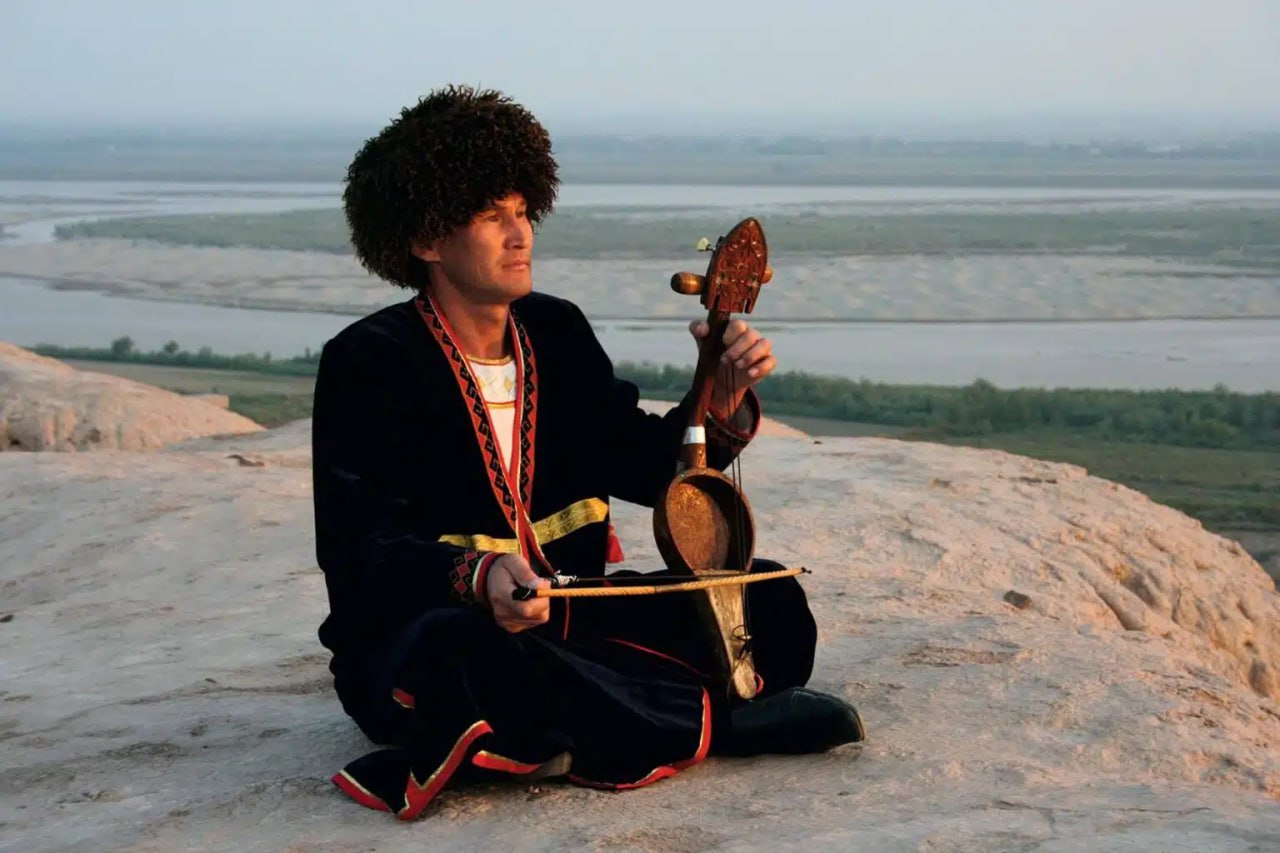 The epic tales "Alpamys" and "Kyryk Kyz" underscore the deep connection of the Karakalpak people to their history. They are outstanding monuments of the culture of the ancestors of the modern Karakalpaks who lived in the Aral Sea region.
The traditions of the Karakalpaks are well represented in their craftsmanship. The simple patterns and forms of ancient Karakalpak artifacts reflect their connection to the art of ancient and medieval nomads of Central Asia. Traditional crafts developed within the context of the ancient dwelling type—the yurt—alongside the necessary household items and available materials such as wool, leather, bone, wood, and cotton. As early as the beginning of the 20th century, women crafted decorative mats, colorful felts, woven carpets, patterned runners, and palaces to adorn the yurts. All adult women in the community possessed the skill of embroidery, showcasing their artistic talents.
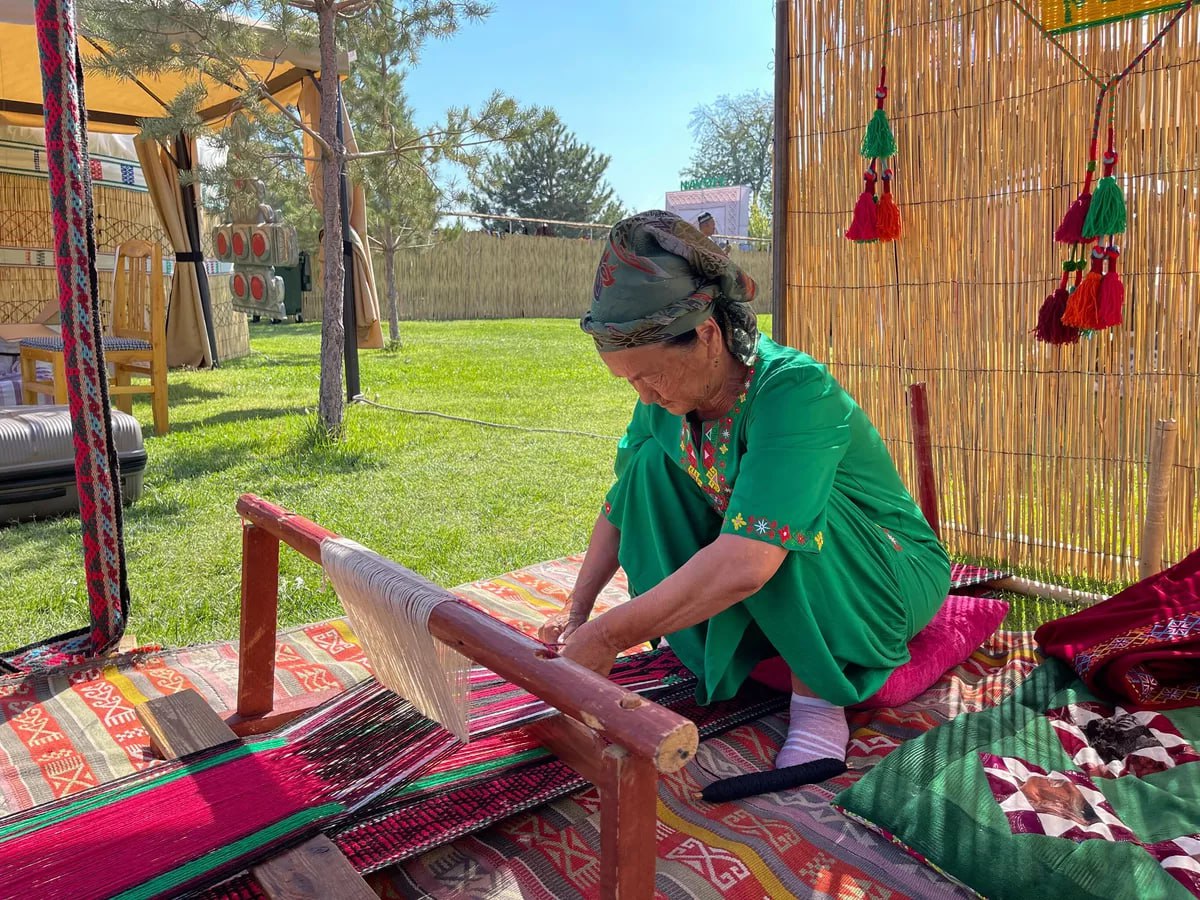
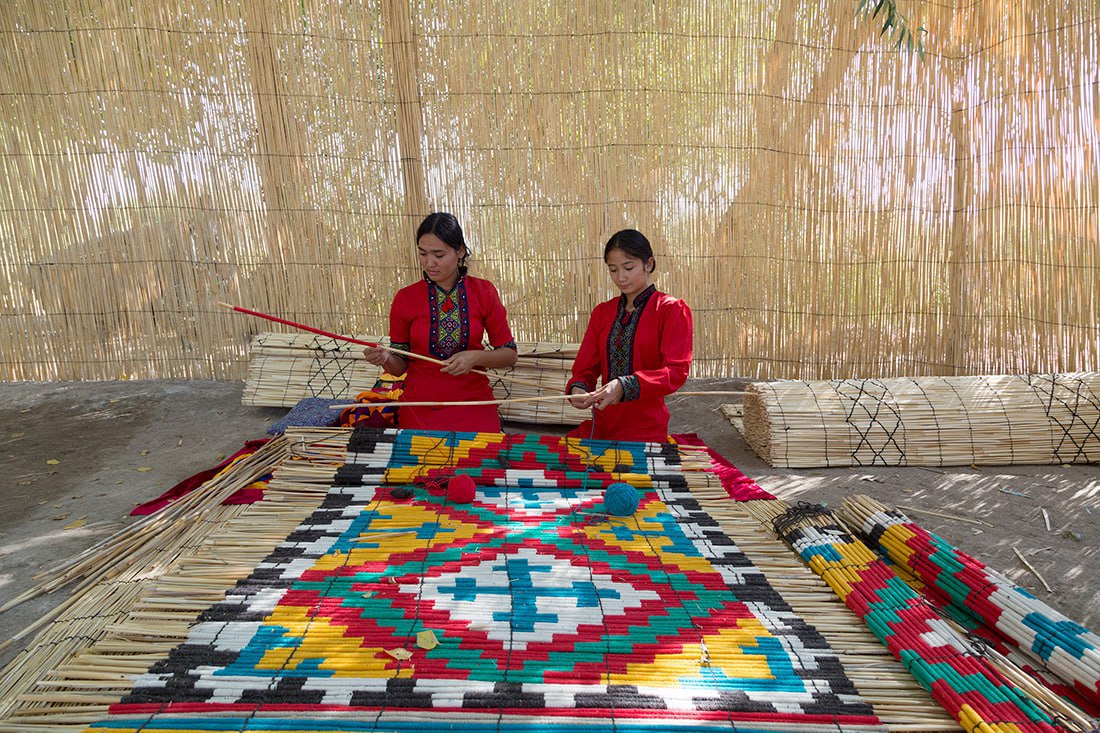 Meanwhile, men engaged in more complex crafts, including the construction of yurts and musical instruments, wood carving, jewelry making, and leather processing.
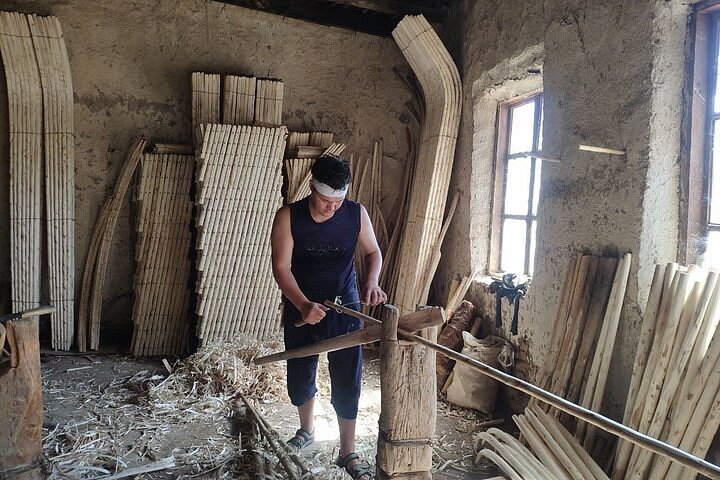
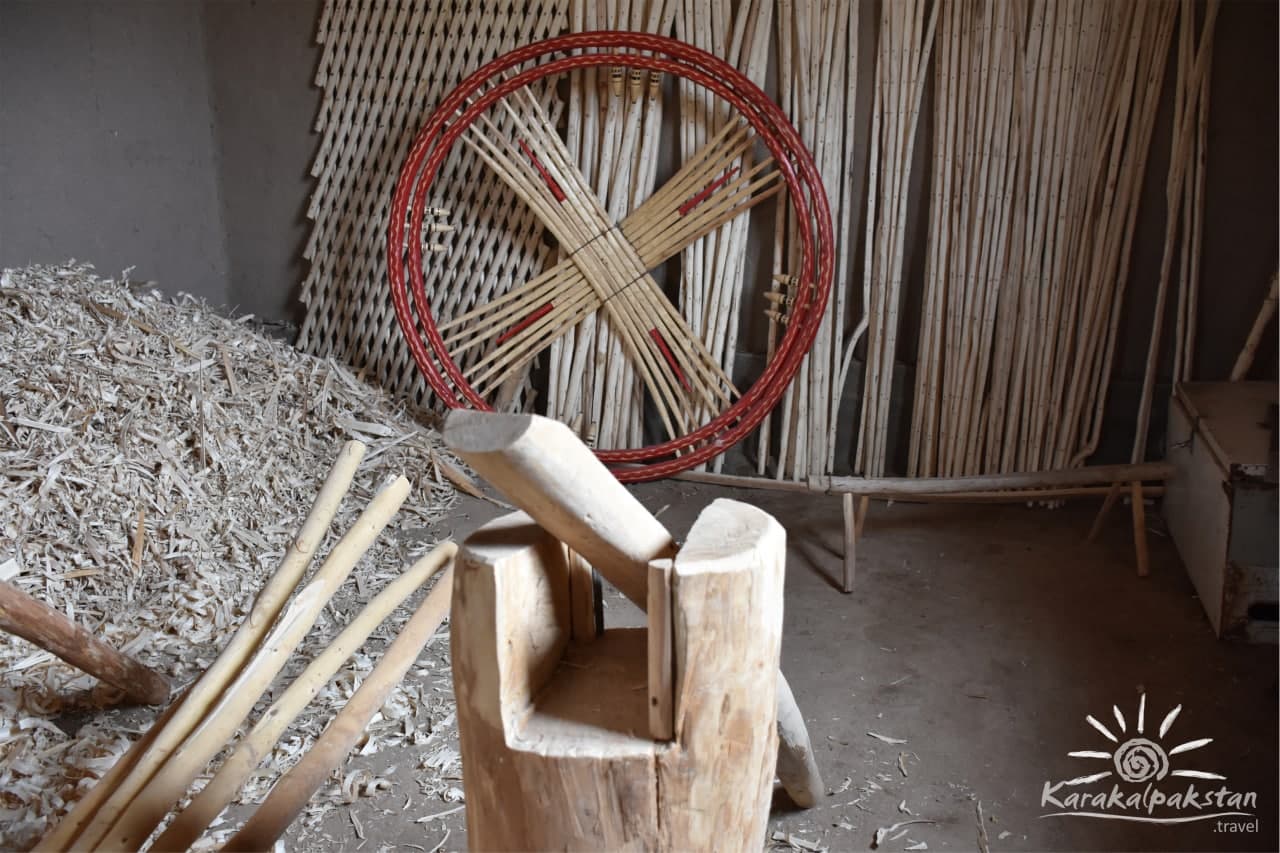
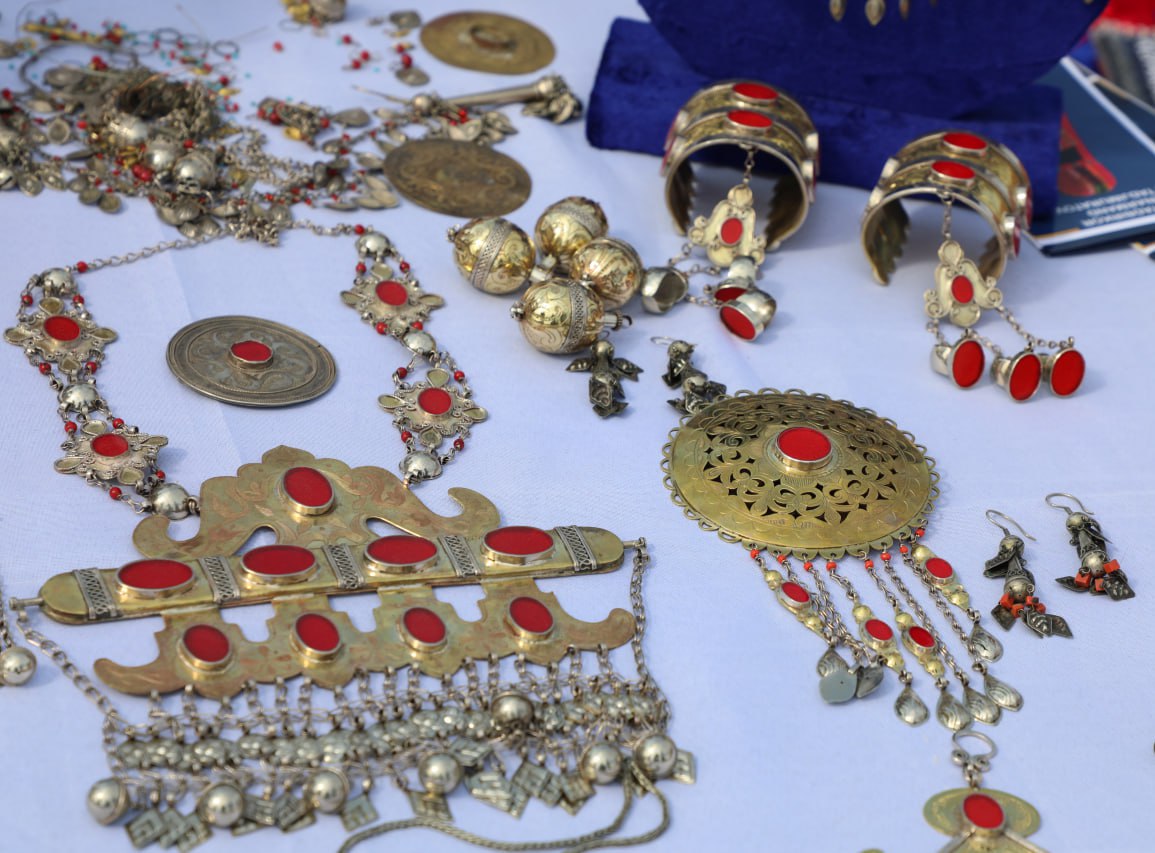 Local artists and craftsmen, drawing inspiration from the rich cultural context, create new forms of art that result from their creative approach to traditional techniques. This enables them not only to maintain a deep connection with their cultural heritage but also to adapt to contemporary realities, enriching their art with new ideas and forms.
The cultural heritage of Karakalpakstan stands as a vivid testament to the resilience and creativity of its people, who have preserved their unique identity and individuality over the centuries. The preservation of this heritage plays a crucial role in strengthening pride in their roots and traditions. Each element—be it traditional music, dances, or handcrafted items—is imbued with deep historical and cultural meanings, reflecting the multifaceted and rich spiritual world of the nation.